Hi everyone who’s new or just getting started with Stardew Valley! Today I’m going to walk you through exactly how to play this game and what goals you should focus on at each stage. This is a completely beginner-friendly guide with no complicated memorization required.
Many new players stare at their empty farm plot and feel overwhelmed. You end up wandering around aimlessly, unsure whether to chop wood or plant crops. You make no money and never finish Community Center bundles, which makes the game feel boring. But Stardew Valley has no forced deadlines or rush. As long as you follow clear stage-by-stage goals and take things slow, your gameplay experience will be way more relaxing and enjoyable. Let’s break everything down step by step.
Pick the Right Farm Layout to Avoid Unnecessary Mistakes
When you first create a save file, choosing your farm type is crucial. For pure beginners, the Standard Farm is the best choice. It has flat terrain and plenty of tillable land, perfect for farming, animal raising, and mining all at once with no space issues.
If you love foraging and chopping wood, the Forest Farm will suit you better. The River Farm offers great fishing loot, but it has very limited farming space, so it’s not recommended for new players in the early game.
Next, let’s talk about tool upgrades and professions. You’ll spend most of your first year mining, so pick the Miner profession at level 10 Mining for more ore drops. You can switch to the Artisan later once you focus on crop processing and wine-making.
Follow this tool upgrade order: Watering Can > Pickaxe > Axe > Hoe. Send your tools to the blacksmith on rainy days, so you won’t lose any farming progress since you don’t need to water crops in the rain.
Don’t push yourself too hard on your first in-game day. Just finish these simple tasks: clear a small patch of land and plant the Parsnips given by the mayor, water them daily. Pick up Wild Leeks, Daffodils, and Fiber along the way — they restore energy and make great villager gifts. Craft a chest with 50 Wood as soon as possible, or your inventory will stay full and force you to run back and forth nonstop. Take a walk into town and talk to the villagers to unlock basic storylines.
Seasonal Goals for Every Year: Earn Money & Complete Bundles Steadily
Spring: Lay the Foundation & Earn Your First Gold
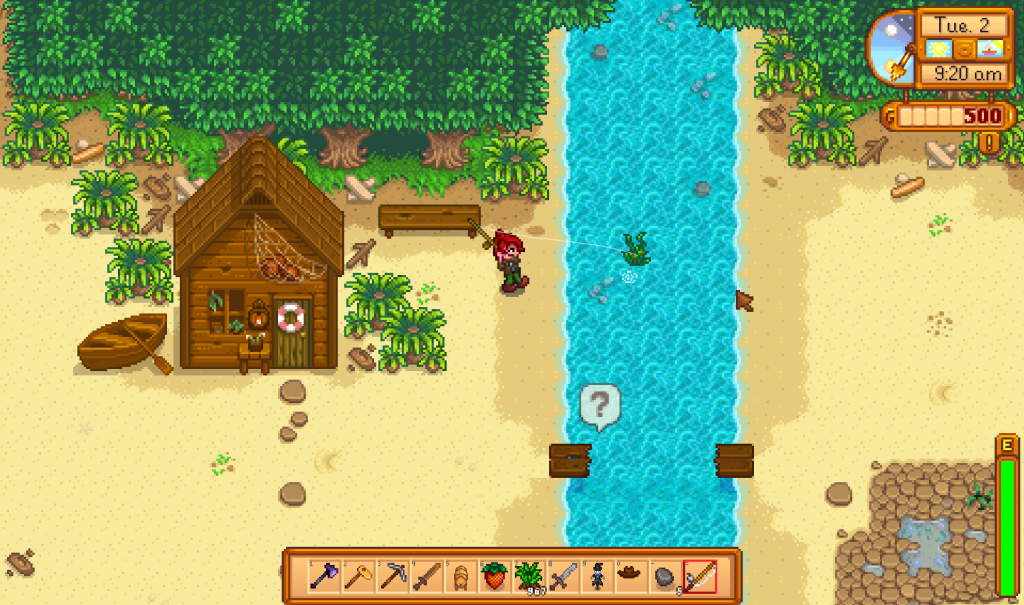
Spring is all about early-game preparation. Your two main goals are saving money for Strawberry seeds and finishing all Spring Community Center bundles.
Plant Parsnips and Potatoes for quick early profits, and keep a few Gold-Star Parsnips for bundle requirements. Make sure to remember the Spring 13 Egg Festival. Save up your gold in advance and stock up on plenty of Strawberry seeds. Strawberries regrow after harvesting, making them the most reliable spring income source.
Go fishing whenever you have free time to level up your fishing skill. Eat regular fish for energy and sell high-quality fish for extra cash. Watch the TV every day for weather forecasts and daily luck checks. Mark villager birthdays on the town calendar — gifting on birthdays gives 8x friendship boost, making relationship-building super easy.
Summer: Stable Income & Build Automatic Farming Systems
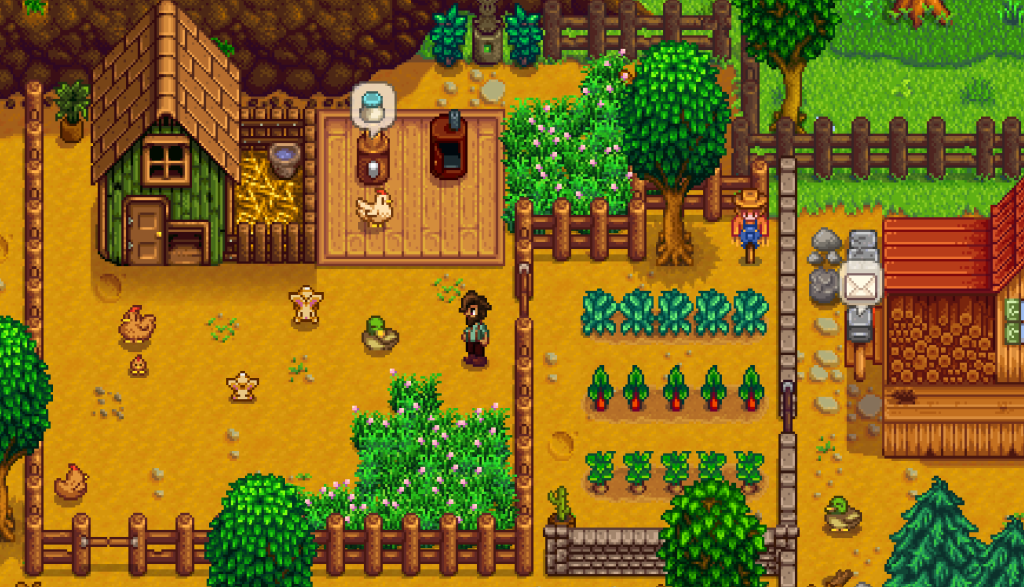
Blueberries are your main summer crop. They keep producing multiple harvests and will sustain your income all summer long. You can also plant Melons and Hops as supplements.
Spare time should be spent mining for Iron Ore, Gold Ore, and Coal to craft Sprinklers. Gradually replace manual watering with automatic sprinklers to save tons of energy. Build a Coop if you can and raise chickens for steady passive income from eggs.
Finish all summer crop bundles to unlock prerequisites for the Minecarts and Greenhouse, laying groundwork for late-game progress.
Fall: Peak Profit Season & Stock Resources for Winter
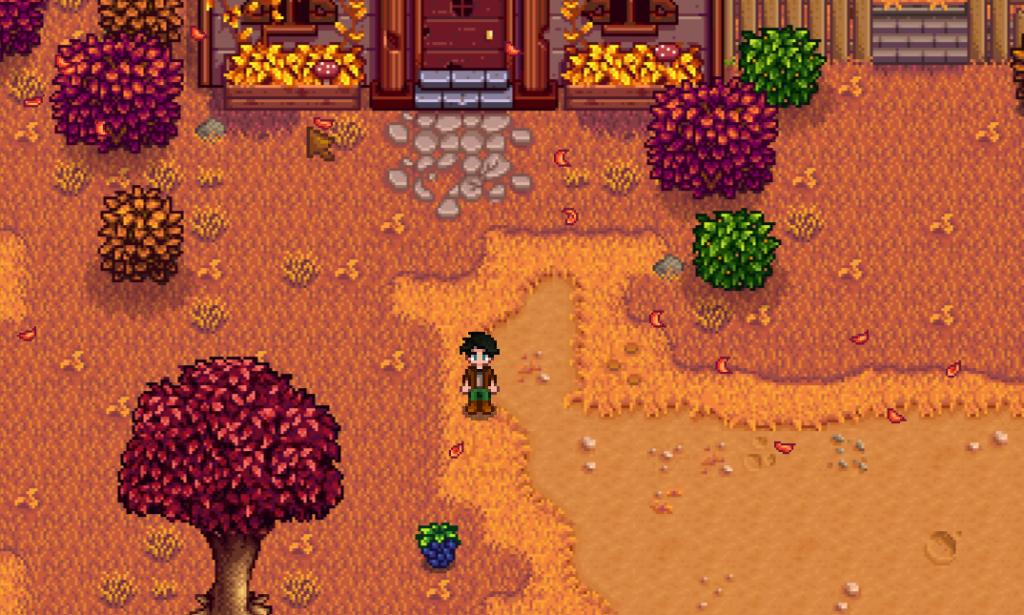
Fall is the most profitable season in Stardew Valley. Plant plenty of Pumpkins and Cranberries. Process all your harvests in Preserves Jars and Kegs — processed products sell for far more than raw crops.
Visit the Secret Forest to find rare seeds and plant Sweet Gem Berries. Consuming them permanently increases your maximum energy, which saves you from energy shortages while farming and mining later on.
Stock up massive amounts of Wood, Ore, and Gold during fall. No crops grow in winter, so adequate resource preparation is essential.
Winter: No Farming, Focus on Long-Term Development
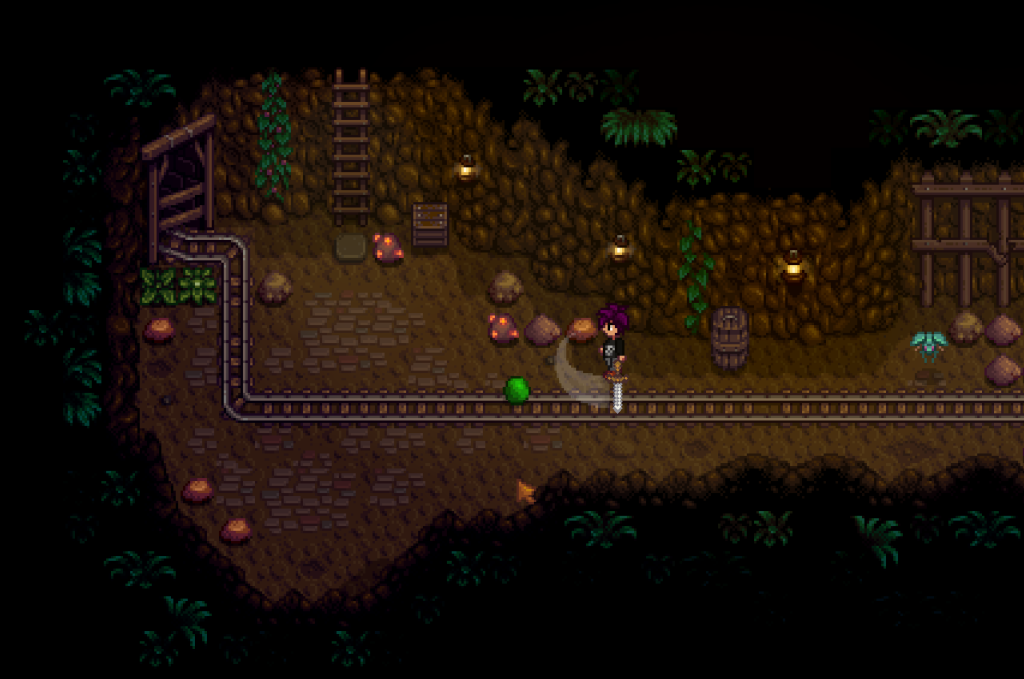
You don’t need to worry about watering or farming in winter, making it the perfect season for long-term upgrades. Spend most of your time in the mines to max out your Mining skill and collect Iridium Ore for top-tier Iridium tools.
Expand your Barn with spare gold and raise Pigs and Rabbits. Truffles and Rabbit Feet will bring you huge profits in the next year. Use your free time to build friendship with villagers, unlock marriage and side storylines, and collect all cooking recipes.
Long-Term Game Goals to Complete All Content
Many new players only focus on farming without knowing the full content of the game. I’ve sorted all long-term goals into four simple categories for you to complete at your own pace.
First, the main storyline: the Community Center. You can choose the bundle restoration route for a relaxed collecting experience, which unlocks the Greenhouse, Bus, Minecarts, and Desert access. If you dislike collecting materials, you can go for the Joja Community Development route to unlock facilities quickly with gold.
Second, farm automation and economy. Cover your farm with Iridium Sprinklers to free up your hands. Build a full set of Kegs, Preserves Jars, and Bee Houses to form a complete processing industry. Upgrade Coops and Barns with Auto-Grabbers for stable animal product income. Unlock Ginger Island and Mr. Qi’s challenges for endgame high-profit gameplay.
Third, collection and progression. Catch all fish species, collect all minerals and forage items, and obtain every Stardrop to max out your energy. Level up all five skills: Farming, Mining, Fishing, Foraging, and Combat. Collect furniture and decorate your unique dream farm in your spare time.
Fourth, social and story content. Max out friendship with all townsfolk to unlock their exclusive storylines. Date and marry your favorite NPC to unlock home upgrades and family gameplay. Explore hidden long-term quests from the Wizard, Witch, and Mr. Qi for more fun content.
Common Newbie Mistakes to Avoid
-
Don’t clear your entire farm at the start. Your energy is limited — only till the land you actually need.
-
Cut weeds with Scythes in fall to collect Hay for free, instead of buying expensive Hay from Marnie’s Ranch.
-
Go mining on high-luck days for more ladder spawns and rare ore drops.
-
Upgrade your inventory bag as early as possible to avoid wasting time traveling back and forth to chests.
-
Don’t chase huge profits in your first year. Prioritize finishing bundles and upgrading your farm facilities.
Final Thoughts
Stardew Valley is a slow-paced relaxing game — there’s no need to rush or force yourself to finish everything in one year. Plant crops in spring, fish in summer, harvest in fall, and mine in winter. Chat with townsfolk casually and build your ideal farm step by step. That’s the true charm of this cozy game. New players can use this guide as a casual checklist, play at your own pace, and simply enjoy your peaceful farm life!