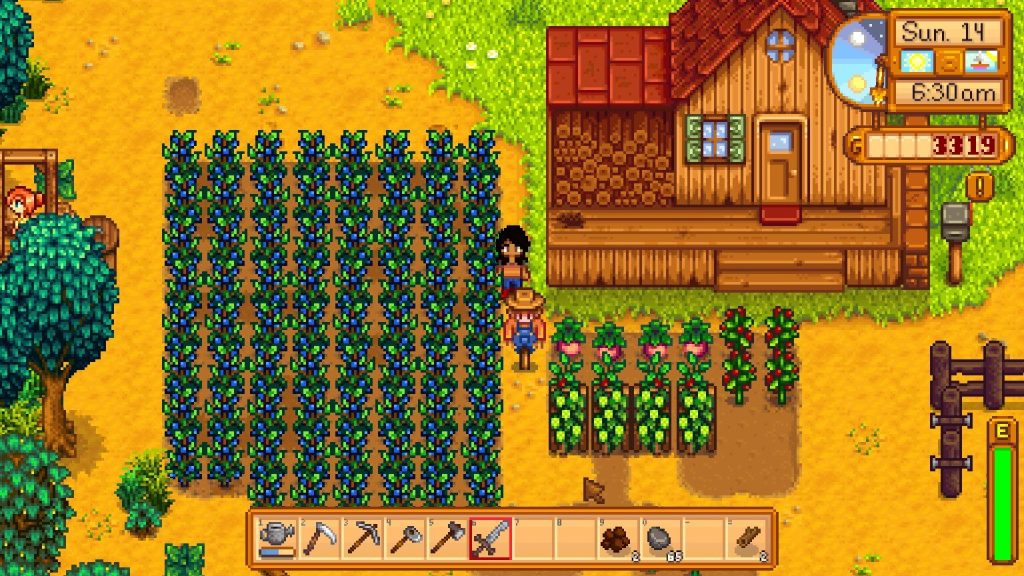
1. Early Spring: Zero-Cost Ways to Get Your First Startup Gold
Foraging Wild Items
Gather all Wild Leeks, Daffodils, Chives and Dandelions around your farm, town and forest. Sell standard-quality forageables directly for small profits, while saving gold-star variants for villager gifts or Community Center bundles. Wild Leeks spawn heavily along riverbanks on rainy spring days, which supply both energy restoration and extra income.
Once you unlock the Secret Forest, visit it daily to collect Morels and Purple Mushrooms. These high-value wild items deliver consistent small earnings in the early game.
Fishing as the Core Spring Income Source
Collect the free Bamboo Pole from Willy on Spring 2. Catfish spawn abundantly in the town river during rain, and their high base price makes fishing the fastest way for new players to stack gold. Stick to nearby rivers and lakes rather than the beach at first — local fish have simpler movement patterns and rarely escape during the fishing minigame. Treasure chests hooked alongside fish drop ores, seeds and artifacts, adding extra supplementary resources.
Save up 1,800 gold to buy the Fiberglass Pole as soon as possible. Equip bait to boost bite rates, keep fishing consistently, and prioritize upgrading your backpack and watering can with your earnings.
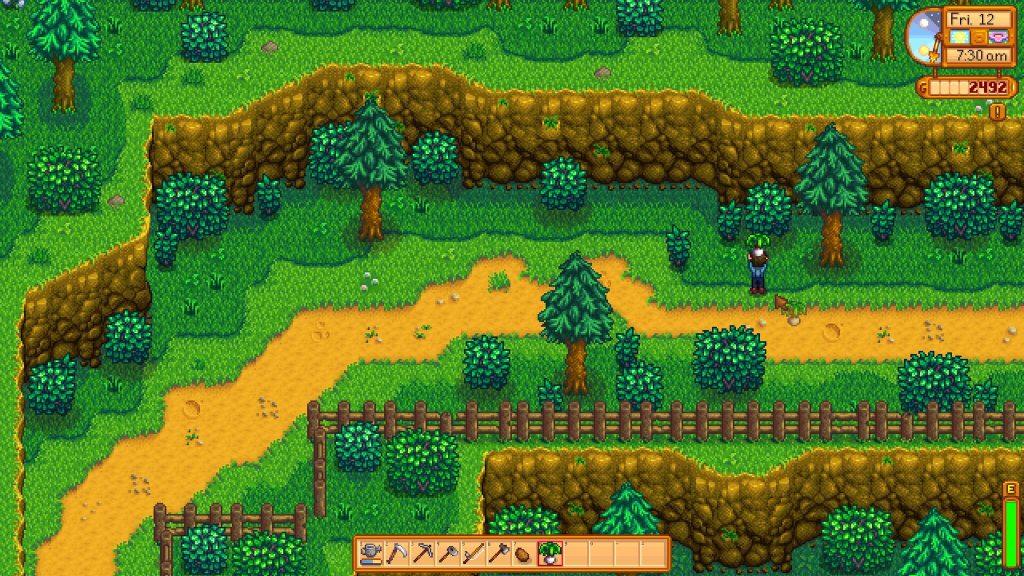
Low-Volume Transitional Crops
2. Mid Spring & Summer: Mass Crop Cultivation for Stable Daily Cash Flow
Spring Core Crop: Strawberries
Dual Summer Main Crops: Blueberries & Hops
Peak Fall Profit Crops: Cranberries & Pumpkins
Budget-Friendly Farming Tips
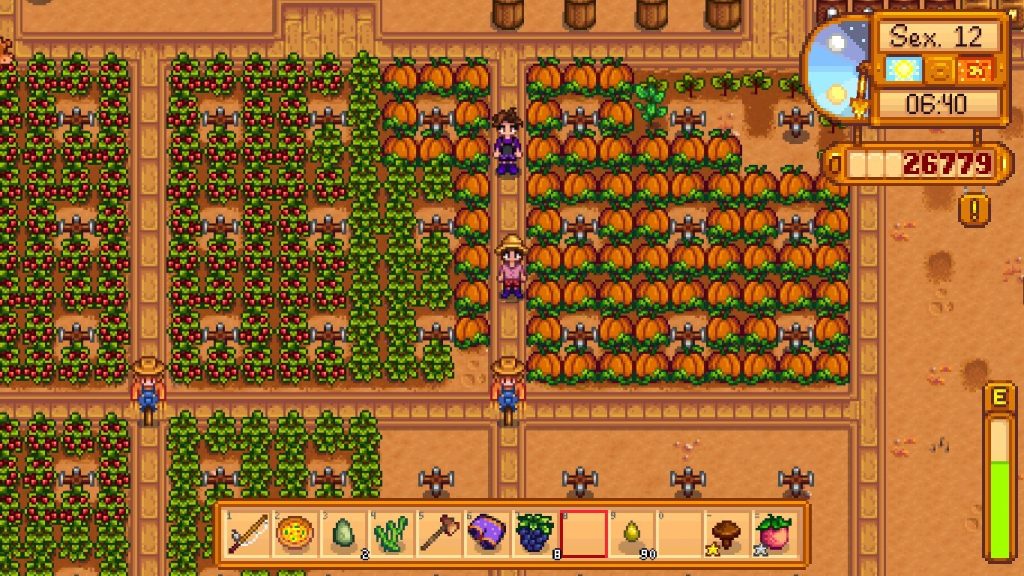
3. Mid-Game Profit Boost: Processing Equipment to Double Crop Value
- Preserves Jars: Pickle any ordinary fruits and vegetables for a universal value markup, ideal for large batches of low-value crops.
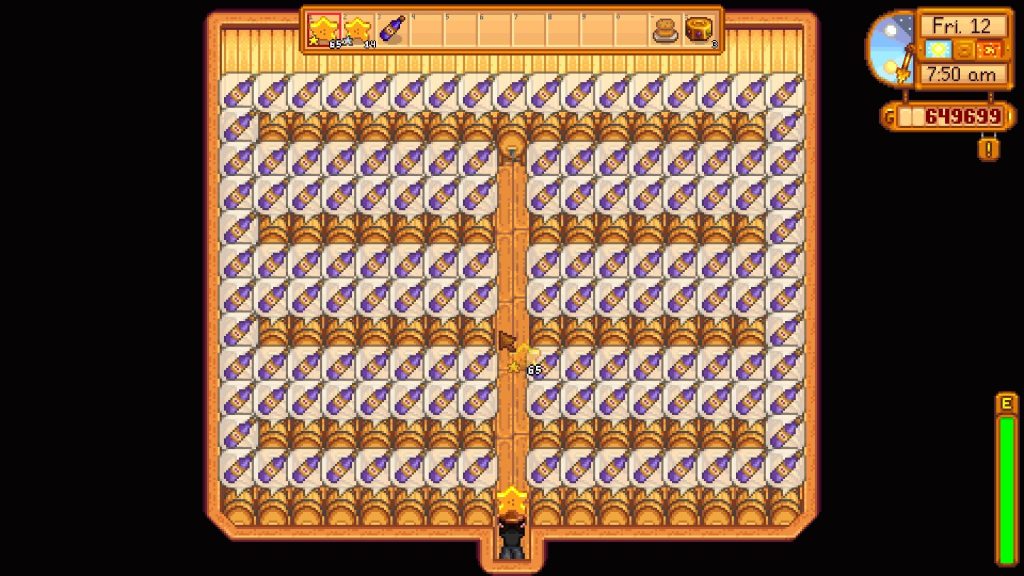
- Kegs: Brew berries, grapes and hops into wine and ale, which receive a far larger price boost than pickled goods. Prioritize mass crafting Kegs as your primary mid-game profit machine.
- Bee Houses & Honey: Plant flowers beside Bee Houses to generate honey. Honey Wine has a short brewing cycle, filling income gaps while waiting for other keg batches to finish.
Choose the Artisan profession at Farming Level 10. All processed goods gain a 40% price increase, completely transforming your annual profit and making this the top pick for Year 1 beginners.
4. Livestock: Long-Term Passive Income (Launch After Stable Savings)
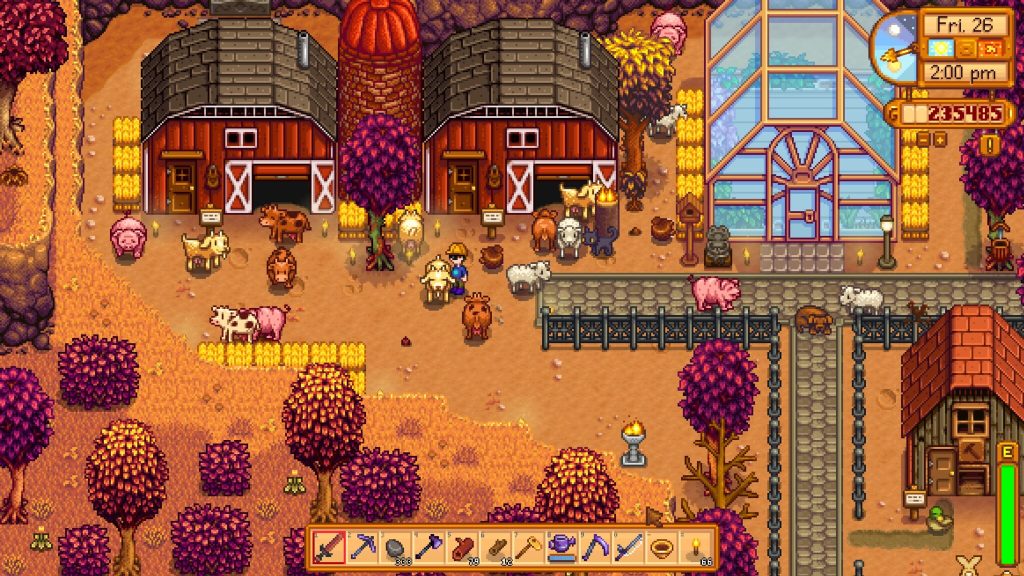
- Coops: Chickens lay Eggs every day, which turn into high-value Mayonnaise after processing for steady minor daily income. Upgrade to Big Coops to raise Ducks, whose Duck Eggs sell for more profit.
- Barns with Pigs: Mature Pigs produce Truffles on rainy days, which command a high direct selling price and earn even more after being refined into Truffle Oil. Rabbits drop Rabbit Feet, both a pricey commodity and a beloved gift for multiple villagers.
- Automated Livestock Tools: Save gold to purchase Auto-Grabbers. You no longer need to pet every animal manually, and fully happy livestock consistently produce high-quality animal goods.
5. Winter Exclusive Profit Methods: Earn Big Without Outdoor Crops
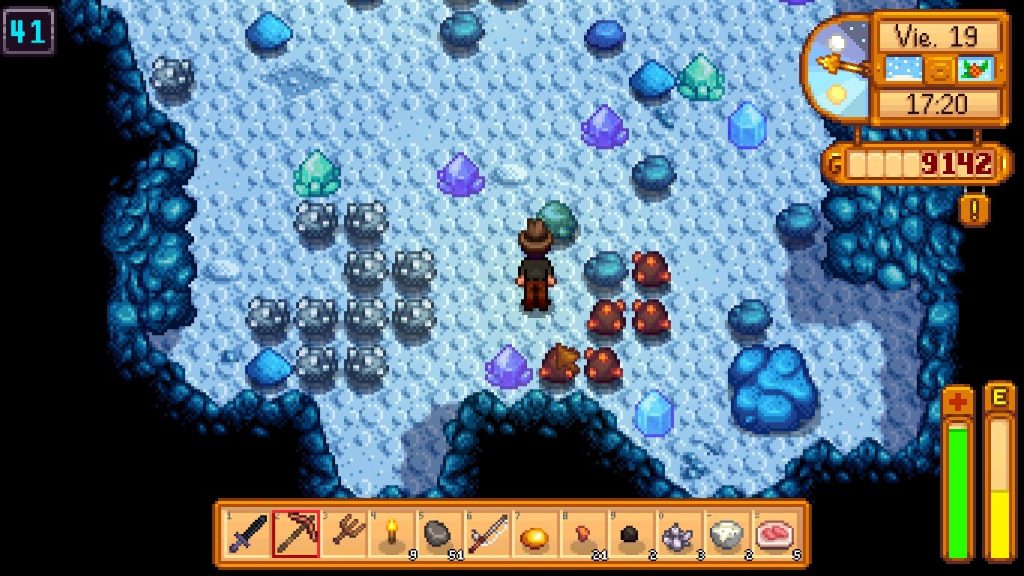
- Deep Mine Runs for Iridium Ore: Farm Iridium Bars and Gold Ore deep in the mines. Save all gems to sell directly, and take geodes to the Blacksmith to crack open rare artifacts and minerals for high-value sales.
- Full-Time Fishing: Winter-exclusive fish carry higher base prices. Spend rainy days and high-luck days fishing to stockpile massive amounts of fish for bulk sales.
- Mass Craft Processing Equipment: Stockpile abundant Wood and Ore during Fall, then spend Winter crafting batches of Kegs and Bee Houses. You can fill your entire farm with processing machines as soon as Spring returns.
- Automated Crab Pots: Unlock Crab Pot crafting at Fishing Level 4, and place dozens of pots along lakes and beaches. Once you pick the Trapper profession at Fishing Level 10, Crab Pots operate with zero bait cost, generating effortless passive seafood and fish income.
6. Endgame Ultimate Wealth Strategies: Greenhouse & Ginger Island
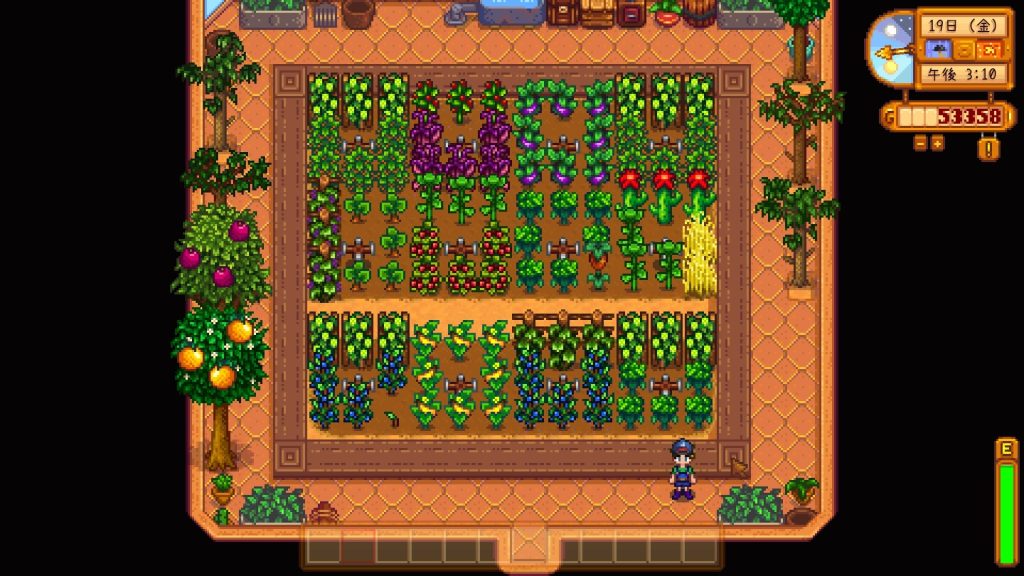
Year-Round Greenhouse Farming
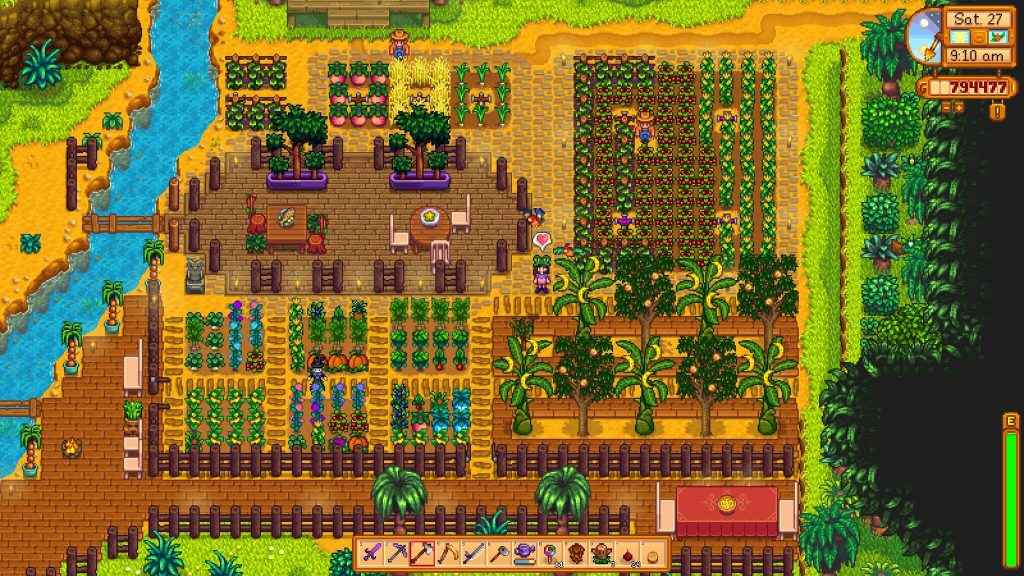
Long-Term Ginger Island Revenue
7. Critical Pitfalls All New Players Must Avoid
- Do not plant large flower fields at the start of the game. Flowers deliver minimal profit and occupy valuable land that should be reserved for cash crops.
- Refrain from selling all gold-star produce immediately. Reserve a portion to finish Community Center bundles, or you will be forced to regrow the same crops the following year.
- Skip clearing your entire farm plot on day one. Your daily energy cap is limited; only till the exact land you plan to plant, and leave space for processing machines and livestock buildings.
- Check the TV daily to view your daily luck stat. On high-luck days, prioritize mining and fishing — rare ores, gold-star fish and treasure chests spawn at drastically higher rates.
- Never take out large loans to construct major buildings early on. Cash flow shortages will severely slow your overall farm development timeline; expand facilities gradually.
- Do not sell all foraged and caught basic food items. Keep a stock on hand to replenish your energy, as full energy reserves let you keep earning money nonstop throughout each day.