Hello everyone new to Stardew Valley! Many new players rush to build coops and barns then buy animals without preparation. They end up running out of hay, tanking animal moods, and getting almost no high-quality produce, losing gold in the process. Animal farming seems simple, but there are strict rules for friendship, mood, feeding, and building upgrades. Written in a casual conversational tone and updated for Version 1.6, this guide covers all core livestock mechanics so you can earn consistent profits without mistakes.
1. Pre-Requisite for All Animal Farming: The Silo Comes First
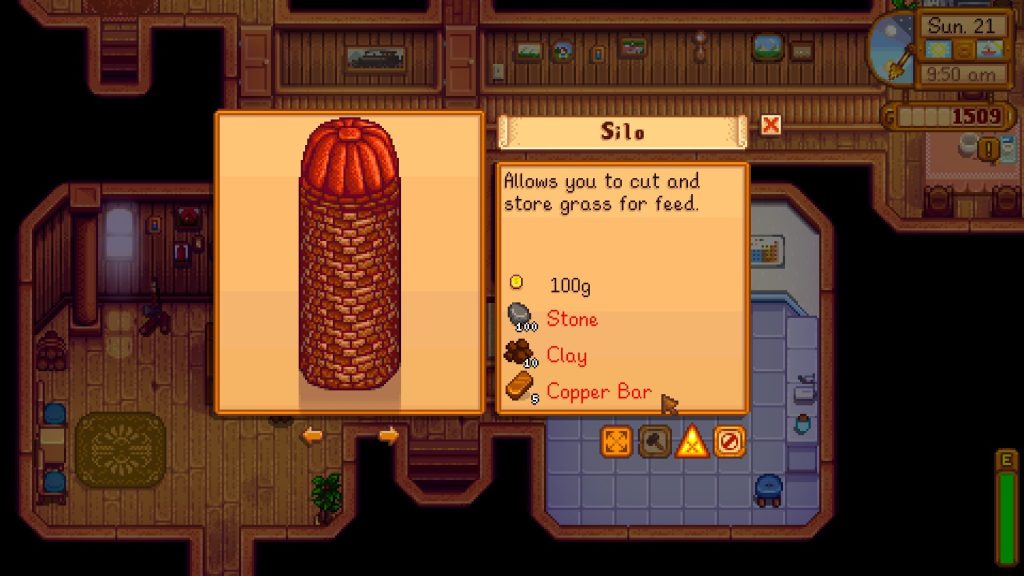
If you plan to raise animals, build a Silo at Robin’s Carpenter Shop before constructing any Coop or Barn — never reverse the order.
- Silo Function: Cutting weeds with a Scythe yields Hay, which automatically stores inside the Silo. One Silo holds up to 240 Hay. Without a Silo, you have to manually stockpile Hay, and shortages are almost guaranteed in Winter.
- Feeding Logic: On sunny days with no rain or snow, leave the building’s small door open. Animals graze on outdoor grass and consume zero Hay. During rain, Winter, or nighttime, animals cannot go outside and must eat stored Hay. If they go unfed, they will produce no goods the next day and lose large amounts of friendship and mood.
- Money-Saving Tip: Cut tons of weeds in Fall to stock up on Hay, so you don’t overpay for feed at Marnie’s Ranch year-round.
2. Tiered Livestock Buildings: Three Levels of Coops & Barns
All animal buildings have three tiers: Basic, Big, and Deluxe. Each tier unlocks new animal types and auto-feeding systems. No need to max out upgrades immediately if gold is tight.
Coop Series (Poultry: Eggs & Rabbit Wool)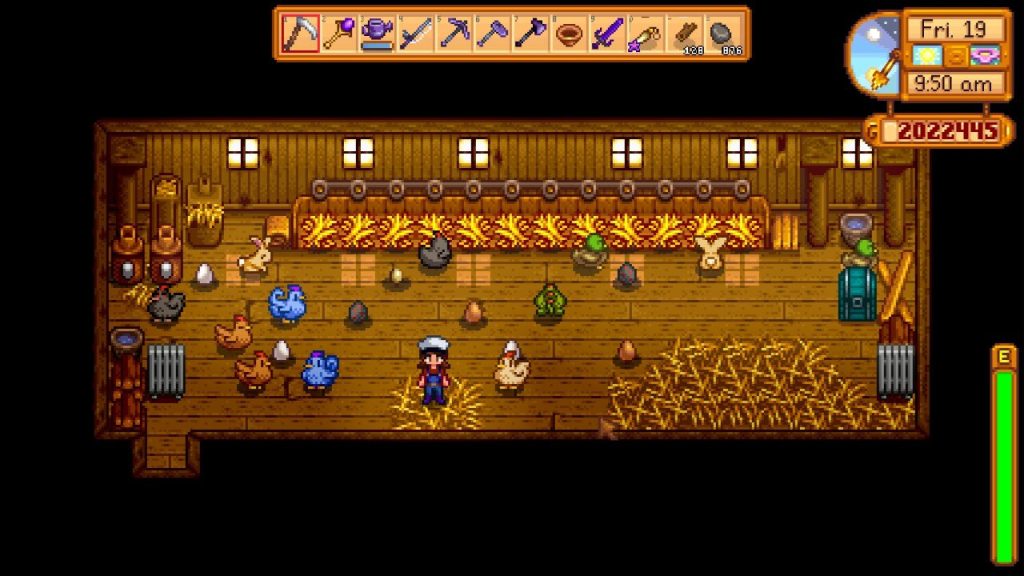
- Basic Coop: Holds 4 Chickens only. You must manually refill Hay in the feeding trough. Chicks mature in 3 days and lay daily Eggs for steady low-cost early income.
- Big Coop: Expands capacity to 8, adds an Incubator, and unlocks Ducks. Duck Eggs and Duck Feathers sell for extra profit, and the Incubator hatches Void Eggs and Dinosaur Eggs.
- Deluxe Coop: Holds 12 animals with built-in auto-feeding. Unlocks Rabbits, Golden Chickens, and Void Chickens. Rabbits occasionally drop Rabbit’s Feet — a beloved gift for many townsfolk. Auto-feeding removes daily manual Hay refills.
Barn Series (Large Livestock: Milk, Truffles, Wool)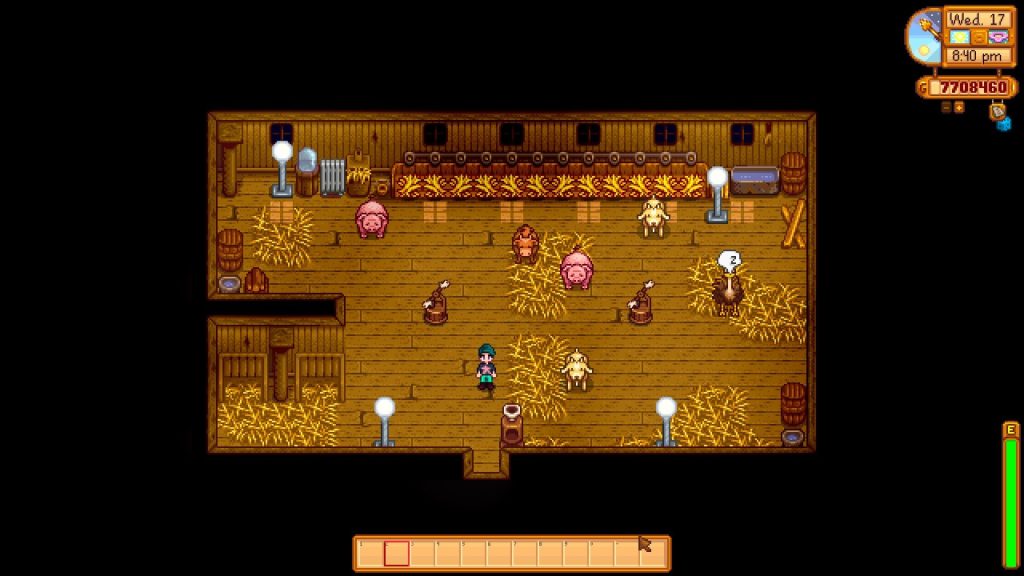
- Basic Barn: Houses 4 Cows that produce daily Milk, which can be processed into Cheese for higher profit.
- Big Barn: Fits 8 animals, unlocks Goats, and enables animal pregnancy for breeding baby livestock. Goat Milk sells for more than regular Cow Milk.
- Deluxe Barn: Holds 12 animals with auto-feeding. Unlocks Sheep and Pigs. Pigs dig up valuable Truffles on rainy days, one of the best mid-game income sources, while Sheep grow Wool regularly to make Cloth.
Quick Side Note: Place Auto-Grabbers inside all animal buildings to collect milk, wool, and eggs automatically without manual picking every day.
3. Two Core Animal Stats: Friendship & Mood (Determine Product Quality)
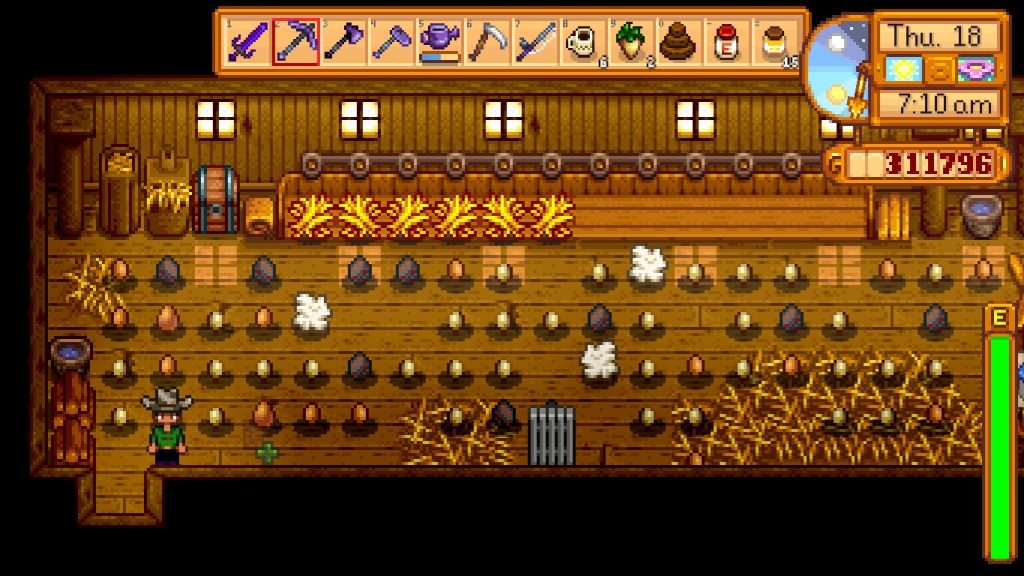
Every animal has two critical values: Friendship (max 1000 points / 5 hearts) and Mood (0–255). Higher values drastically raise the chance of gold-star and large-sized animal products.
How to Gain Friendship
- Petting an animal manually grants +15 friendship; the Coopmaster / Shepherd professions double this to +30 per pet.
- Milking, shearing, or collecting animal goods gives small bonus friendship.
- Grazing outdoors on grass slowly raises friendship each day.
Actions That Lose Friendship
Skipping feeding for a day, leaving animals outside overnight, or neglecting petting for multiple days will subtract large chunks of friendship.
Key Factors That Impact Mood
- Place Heaters inside barns and coops during Winter. Without heating, animals’ moods plummet, and they barely produce high-quality goods.
- Always close the small outdoor door at night; animals left outside overnight suffer severe mood drops.
- Consistent Hay supply, daily petting, and outdoor grazing on sunny days keep mood above 150 — the ideal range for frequent gold-star yields.
Labor-Saving Auto-Petter
Purchasable from JojaMart for 50,000g. Placed inside coops or barns, it automatically boosts animal friendship slightly each day, perfect for players with large herds and limited playtime. Note that manual petting still raises friendship faster if you want to max hearts quickly.
4. All Animal Types, Outputs & Profit Breakdown
Coop Animals
- Chickens: Lay daily Eggs, which turn into high-profit Mayonnaise in Mayonnaise Makers.
- Ducks: Drop Duck Eggs or Duck Feathers every other day; Feathers fetch a decent price.
- Rabbits: Periodically produce Wool and rare Rabbit’s Feet, a staple gift for NPCs.
- Void Chickens: Void Eggs deliver massive profit after processing.
- Dinosaurs: Hatched from Dinosaur Eggs in the Big Coop Incubator; lay Dinosaur Eggs every 7 days for bundles and processing.
- Golden Chickens: Lay Golden Eggs that consistently produce gold-star Mayonnaise when processed.
Barn Animals
- Cows: Produce regular or Large Milk every day for Cheese-making.
- Goats: Give Goat Milk every two days, which makes more valuable Cheese than Cow Milk.
- Sheep: Grow Wool periodically, the primary material for crafting Cloth.
- Pigs: Forage Truffles automatically on rainy days. Truffles sell raw or can be refined into Truffle Oil for huge mid-game revenue.
5. Animal Breeding, Selling & Essential Ranch Tools
- Breeding Rules: Enable pregnancy toggle in Big Barns and above for random baby livestock overnight — empty animal slots are required. Coops rely on the Incubator to hatch all egg varieties.
- Selling Animals: Right-click an animal after petting it to open its menu and sell it via the gold icon. Animals with higher friendship sell for a better price; avoid frequent buying/selling early on, as stable long-term farming earns more consistent gold.
- Mandatory Tools (Bought at Marnie’s Ranch)
- Milk Pail: Collect milk from Cows and Goats
- Shears: Harvest Wool from Sheep
- Heater: Maintain animal mood through cold Winter weather
- Auto-Grabber: Automatically collect milk, wool, and eggs inside barns
6. Stage-by-Stage Livestock Plan to Avoid Cash Flow Collapse
Spring & Summer, Year 1 (Early Game Startup)
Build a Silo first, then a Basic Coop with a small flock of Chickens. Skip Barn construction temporarily. Prioritize upgrading your Watering Can and Backpack; treat livestock only as supplementary side income.
Fall, Year 1 (Growing Profit Period)
Save gold to upgrade the Coop to Big Coop, and build a small Basic Barn for Cows. Cut massive amounts of weeds to stockpile Hay for Winter, when outdoor grazing is impossible.
Winter, Year 1 (Complete Livestock Setup)
Upgrade to Deluxe Coop / Deluxe Barn to unlock auto-feeding. Buy Heaters and Auto-Grabbers. Full livestock production fills your income gap during Winter, when no outdoor crops grow.
Year 2 & Endgame (Fully Automated Ranching)
Fill all buildings with Auto-Petters and Auto-Grabbers. Raise large herds of Pigs and Rabbits. Truffles, Rabbit Feet, and processed dairy goods create permanent passive long-term revenue.
7. Common Beginner Livestock Mistakes to Avoid
- Always build a Silo before any animal housing. Without Hay storage, feed shortages in Winter will halt all animal production.
- Close outdoor doors on rainy days and Winter nights — leaving animals outside ruins both friendship and mood.
- Place Heaters inside all barns and coops in Winter; cold animals almost never drop gold-star products.
- Do not fully fill Deluxe Coops and Barns in Year 1. Construction and animal purchase costs are extremely high and will drain your gold reserves.
- Never sell raw gold-star eggs, milk, or Truffles directly. Process them via Mayonnaise Makers, Cheese Presses, or Oil Makers to double profits.
- Auto-Petters only offer minor friendship gains. Manual petting once daily is still the fastest way to max out 5 hearts.
- Remember to lock the building door every night; animals stranded outdoors will produce nothing the next morning.
Final Thoughts
You don’t need to rush full-scale livestock farming right away. Start with a small flock of poultry early, then expand your barn herds as your income grows. As long as you maintain steady Hay supplies, pet animals daily, and provide heating in Winter, your livestock will reliably generate high-value artisan goods. Combined with crop wine and pickling processing, ranching will push your farm profits to a new level. Livestock farming requires minimal daily maintenance and delivers steady passive income, so gradually expand your animal facilities once your early farming foundation is stable.