
Your profile is your first impression — make it count. Learn exactly what to write, what to avoid, and how to stand out on any dating site or app.
The Truth About Dating Profiles
Your dating profile is doing more heavy lifting than you probably realize. Before anyone reads your message, laughs at your joke, or agrees to meet for coffee, they’re reading your profile and making a decision in seconds. A great profile doesn’t just describe who you are — it makes someone want to know more. The good news? Writing one isn’t as hard as it feels. It just takes a little strategy and a lot of honesty.
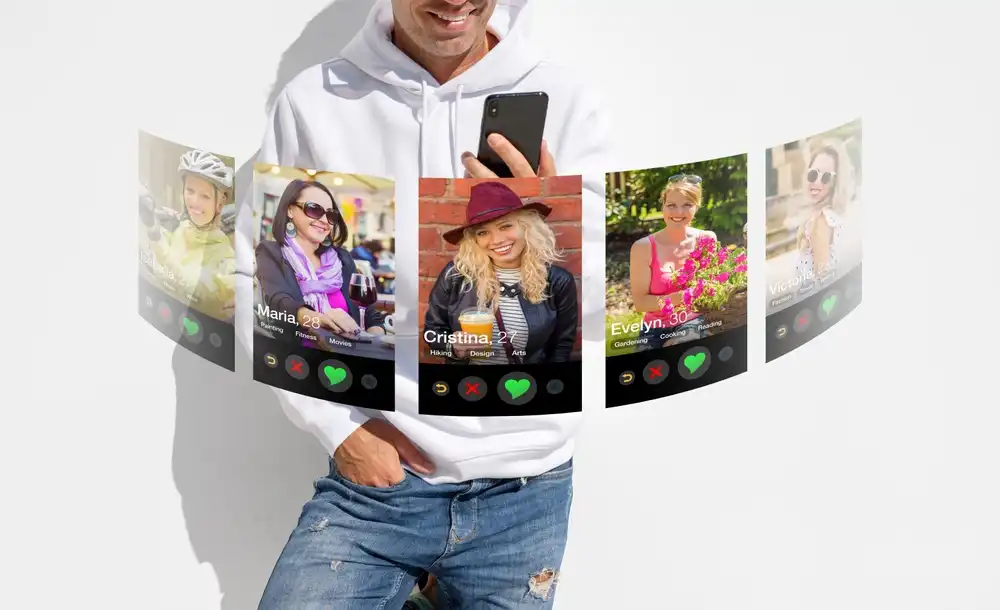
Start With a Photo That Tells the Right Story
Before a single word gets read, your photos set the tone. They’re the reason someone stops scrolling and clicks on your profile in the first place.
- Lead with a clear, recent headshot — Good lighting, a genuine smile, and nothing blocking your face. This isn’t the place for sunglasses, group shots, or photos from ten years ago.
- Include variety — After your main photo, add a few that show different sides of your life. A candid shot with friends, a photo from a trip, something that shows a hobby or interest. Three to five photos is the sweet spot.
- Skip the clichés — Mirror selfies, photos holding a fish, heavily filtered images, and overly posed shots tend to get scrolled past. Aim for photos that feel natural and approachable.
- Ask a friend for help — If you don’t have great photos on hand, ask someone you trust to take a few. Even a quick session with a smartphone in good natural light can make a huge difference.
Write a Bio That Sounds Like You, Not a Resume
The biggest mistake people make in their dating profile is writing something generic. Phrases like “I love to laugh,” “I enjoy going out and staying in,” or “just looking for my person” say almost nothing about who you actually are. Your bio should give someone a reason to message you — something specific they can respond to.
Here’s a simple framework that works:
- Open with something engaging — A quick story, a bold opinion, or a playful line that gives a glimpse of your personality. Think of it as a conversation starter, not an introduction.
- Share a few specifics — Instead of saying you love food, mention your favorite neighborhood restaurant or the dish you’ve been perfecting at home. Specifics are memorable; generalities aren’t.
- Show what excites you — Talk about what lights you up, whether that’s weekend hiking, live music, coaching your kid’s soccer team, or getting lost in a true crime podcast. Passion is attractive no matter what it’s about.
- End with an invitation — Give people an easy way to start a conversation. Something like “Ask me about my worst travel story” or “Always looking for a new coffee spot — send your best recommendation” turns a passive profile into an active one.
Be Honest About What You’re Looking For
One of the most underrated parts of a strong dating profile is clarity about your intentions. Whether you’re looking for a committed relationship, something casual, or you’re still figuring it out, being upfront saves everyone time and attracts the right people.
You don’t need to write an essay about your five-year plan. A simple, confident statement works perfectly — something like “Looking for a real connection with someone who doesn’t take themselves too seriously” or “Ready for a relationship with someone who loves adventure as much as I do.” Clarity is attractive, and it filters out mismatches before they start.
What to Avoid in Your Profile
Knowing what to leave out is just as important as knowing what to include. A few common pitfalls to steer clear of:
- Negativity — Lines like “don’t bother if you can’t hold a conversation” or “tired of games” might feel justified, but they set a negative tone before anyone has a chance to get to know you.
- Lists of demands — Long checklists of what your ideal partner must be can come across as rigid. Focus on what you bring to the table, not just what you expect.
- Vagueness — The more generic your profile, the easier it is to skip. Specificity is what makes someone stop and think “I need to message this person.”
- Self-deprecation — A little humor is great, but tearing yourself down in your bio (“I’m terrible at these things” or “not sure why I’m here”) doesn’t inspire confidence.
- Overloading with information — Keep it concise. Your profile should spark curiosity, not tell your entire life story. Leave something to talk about on the first date.
Tailor Your Profile to the Platform
Different dating sites and apps have different vibes, and your profile should reflect that. A profile on a platform geared toward serious relationships might emphasize your values, long-term goals, and what you’ve learned from past experiences. On a more casual or chat-first app, a lighter, wittier tone might feel more natural.
Pay attention to the prompts each platform offers. Many of the best dating sites and apps now use question-based prompts instead of open-ended bios, and these are a golden opportunity. Answer them thoughtfully and specifically — they’re designed to showcase personality, so make the most of them.
Update Your Profile Regularly
A dating profile isn’t something you write once and forget about. Refreshing it every few weeks keeps it feeling current and can improve your visibility on many platforms. Update a photo, tweak your bio, or swap out a prompt answer. Small changes keep your profile active and show that you’re genuinely engaged in the process.
It also helps to revisit your profile after you’ve been on a few dates. You’ll have a better sense of what’s attracting the right people and what might need adjusting.
Your Profile Is Just the Beginning
A great dating profile opens doors, but what you do next is what builds the connection. Respond to messages thoughtfully, ask real questions, and bring the same authenticity to your conversations that you put into your profile. The people worth meeting will notice — and they’ll appreciate that you put in the effort.
Ready to put your new profile to work? Head back to our platform rankings to find the right dating site or app for your goals, and start making that first impression count.