Spring Crops: Lay Early-Game Foundations & Grab the Egg Festival’s Big Profit
- Parsnip (Free starting crop from Lewis)
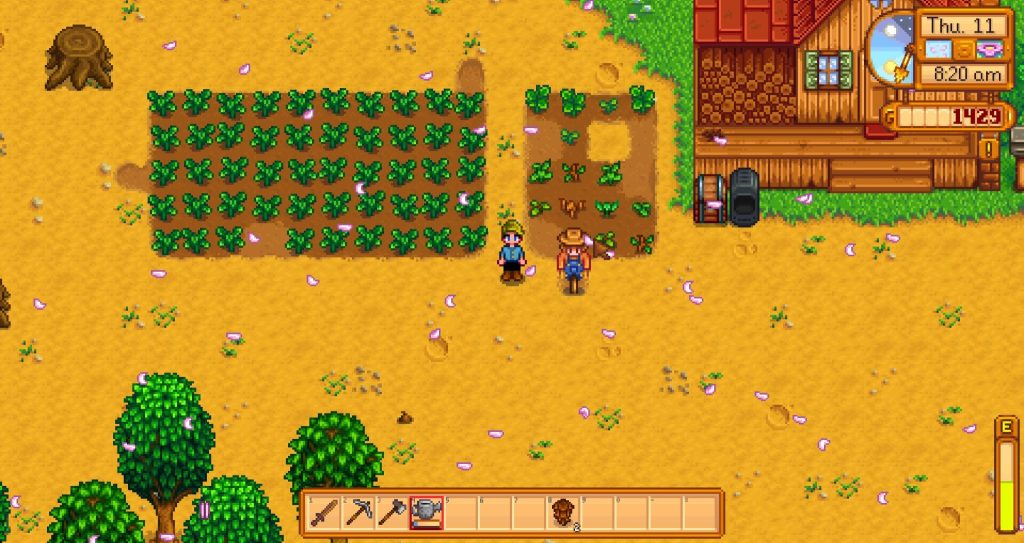
Parsnips grow fast and cost nothing to plant, making them your reliable early spring staple. Keep gold-star Parsnips to finish the Spring Foraging Bundle at the Community Center; sell all regular-quality ones for your first batch of startup gold.
- Potato (Purchasable at Pierre’s General Store)
Potatoes mature in just 6 days and have a chance to yield extra tubers when harvested. They rapidly raise your Farming skill level — reaching Farming Level 8 unlocks Keg crafting, so fill empty leftover plots with Potatoes to level up faster.
- Cauliflower
It sells for a high base price and can grow into Giant Cauliflower for a massive one-time payout. It is also required for the Spring Quality Crop Bundle. Plant a small patch and save gold-star specimens; there’s no need to dedicate huge farm space to it.
- Green Bean (Trellis crop)
After maturing, Green Beans regrow repeatedly without needing to replant, saving seed costs. They are mandatory for Spring bundles, so reserve a small trellis section to meet collection demands.
- Strawberry (Limited seeds from the Spring 13 Egg Festival — Spring’s top cash crop)
Strawberries are the most profitable crop to mass-plant in Spring. They regrow every 4 days after the first harvest, letting you gather multiple yields through the whole season. Use Basic Fertilizer to boost gold-star crop odds; gold-star Strawberries turn great profits whether sold raw or brewed into Strawberry Wine.
Critical note: Strawberry seeds can only be bought at the Egg Festival. If you miss the event, you will have to wait an entire year to stock up. Fill all spare spring farmland with Strawberries first.
Quick Spring Farming Tip
Summer Crops: Steady Daily Cash Flow & Build Your Brewing Pipeline
- Blueberry (All-around best summer crop)
Once fully grown, Blueberries produce nonstop berries all summer long with zero replanting required. They are extremely low-maintenance and reliably profitable even if you lack a large number of Kegs for processing. This is the ideal crop for new players to plant in bulk.
- Hops (Core crop for artisan brewing builds)
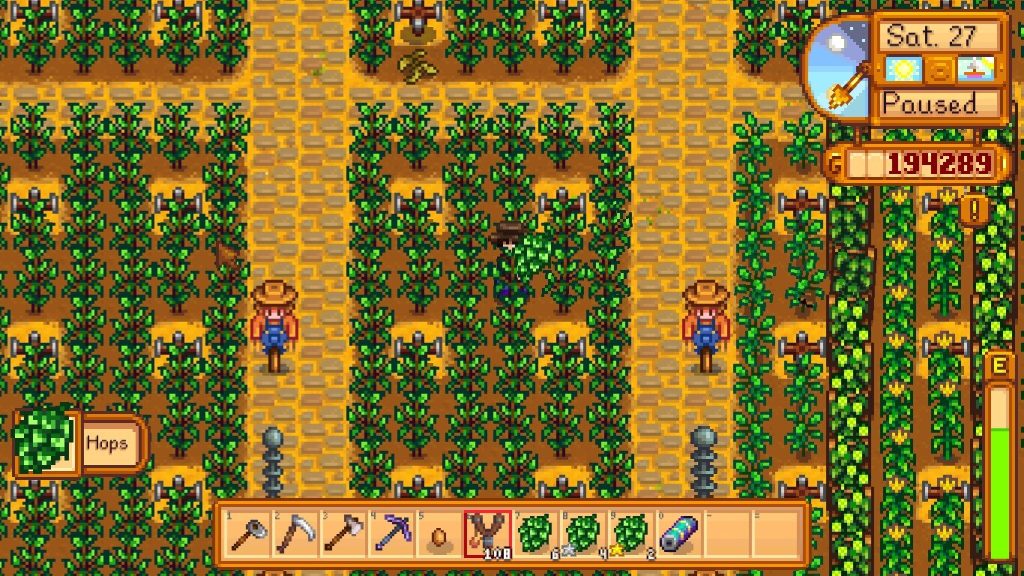
Raw Hops sell for very little gold, but they turn extremely profitable when brewed into Pale Ale in Kegs — profits jump even higher with the Artisan profession unlocked. Hops regrow daily after ripening and quickly boost your Farming skill. As a trellis crop, leave a 1-tile walking gap between every row so you can reach the harvests easily.
- Melon
A mandatory crop for the Summer Quality Bundle. It has a solid individual selling price; plant a small patch and save gold-star Melons for the bundle, no need for large-scale cultivation.
- Corn (Dual-season crop for Summer & Fall)
Corn survives both Summer and Fall. If you plant it late Summer, it will keep producing harvests well into Fall, filling the profit gap between seasonal transitions. Harvested Corn occasionally drops Hay, saving you money on buying Hay from Marnie’s Ranch.
- Hot Pepper
A small repeat-harvest crop with moderate base value. Fill tiny leftover corner plots with it, and it doubles as a beloved gift for multiple townsfolk to speed up friendship grinding.
Fall Crops: Peak Annual Profit & Stock Supplies for Winter
- Cranberry (Highest long-term profit outdoor crop)
Cranberries continuously produce fruit until Winter arrives, with large yields per harvest. They are highly lucrative both sold raw and fermented into wine. Dedicate the majority of your fall farmland to Cranberries.
- Pumpkin
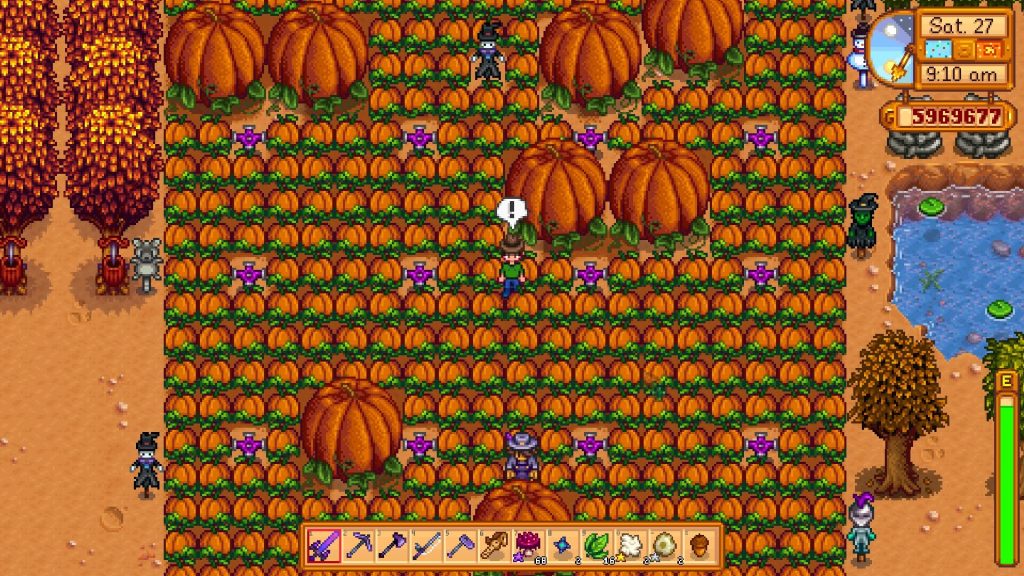
Each Pumpkin sells for a very high price, and they can grow into Giant Pumpkins for a huge lump sum payout. They are required for Fall bundles, and Pumpkin Juice brewed in Kegs also earns great money. Plant them alongside Cranberries for balanced yields.
- Grape (Trellis crop dedicated to wine brewing)
Grapes bear fruit every single day once mature, and Wine made from Grapes receives a massive price markup. Set aside a separate trellis zone for Grapes, apart from your Hops rows.
- Eggplant & Artichoke
Mandatory crops for the Fall Foraging Bundle. Only plant a small amount and keep gold-star versions stored away; mass production is unnecessary.
- Wheat
Wheat grows in both Summer and Fall and matures in just 4 days. Harvesting Wheat frequently drops free Hay, so plant extra Wheat in Fall to stockpile feed for your livestock through Winter without extra purchases.
No Outdoor Crops in Winter — Year-Round Greenhouse Planting Layouts
- Beginner Greenhouse Build: Focus on Ancient Fruit
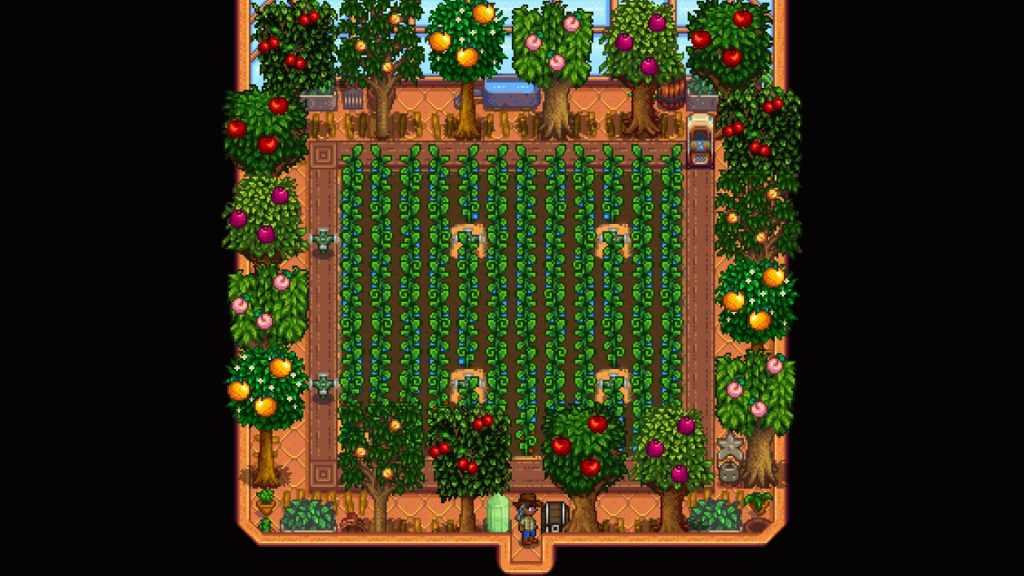
Ancient Fruit regrows every 7 days all year round. Ferment all harvests into Ancient Fruit Wine inside Kegs for the most consistent high profits in the late game. Cover every growing tile with Retaining Soil, which stays effective through every season without reapplication. Pair it with Iridium Sprinklers for fully automated watering.
- Supplementary Plant Mix
Line the outer edges of the Greenhouse with Fruit Trees to avoid wasting farmable soil. Fill small corner spaces with Strawberries and Cranberries to earn minor extra income while waiting for wine batches to finish fermenting.
Extra Notes: Fruit Trees & New 1.6 Crops
- Fruit Trees
Each seasonal Fruit Tree only bears fruit during its matching season. Once planted, they never require watering and produce fruit daily once fully mature. Plant them scattered around empty border spaces on your farm — they won’t take up your core crop land. While saplings are growing, keep a full 3×3 empty space around them with no obstacles.
- New Crops Added in Version 1.6
Carrots (Spring), Zucchini (Summer), Broccoli (Fall), and other new varieties have low profit margins. They are only useful for leveling Farming skill or feeding livestock, and are not recommended for large-scale profit farming.
Common Beginner Farming Mistakes to Avoid
- Do not plant huge flower fields in Year 1. Flowers yield minimal profit and occupy valuable land meant for cash crops. Only grow a small handful next to Bee Houses for honey production.
- Separate and store gold-star crops required for bundles. If you sell or process all of them, you will have to wait a full year to regrow them and complete Community Center collections.
- All trellis crops (Green Beans, Hops, Grapes) need a 1-tile walkway between rows. Without gaps, you cannot walk through to collect your harvests.
- Speed-Gro and Deluxe Speed-Gro work best on repeat-harvest crops like Strawberries, Blueberries, and Cranberries. They add extra harvest cycles each season and maximize your total earnings.
- Do not rush to build full automation in your first year. Unlock Sprinklers gradually and prioritize steady production of your core cash crops first.